


2 March 2022
Tech and Updates
Cloud Computing is the use of hardware and software to deliver a service over a network (typically the Internet). With cloud computing, users can access files and use applications from any device that can access the Internet. An example of a Cloud Computing provider is Google's Gmail.
In the simplest terms, cloud computing means storing and accessing data and programs over the Internet instead of your computer's hard drive. The cloud is just a metaphor for the Internet.
That was the Google version.
Now Boss Global Technology Solutions defines cloud computing as a flexible and scalable IT environment in which service providers leverage virtualization technologies to create and distribute computing resources to customers on an as-needed basis, through a private or public network and where the service is priced according to a per-use basis.
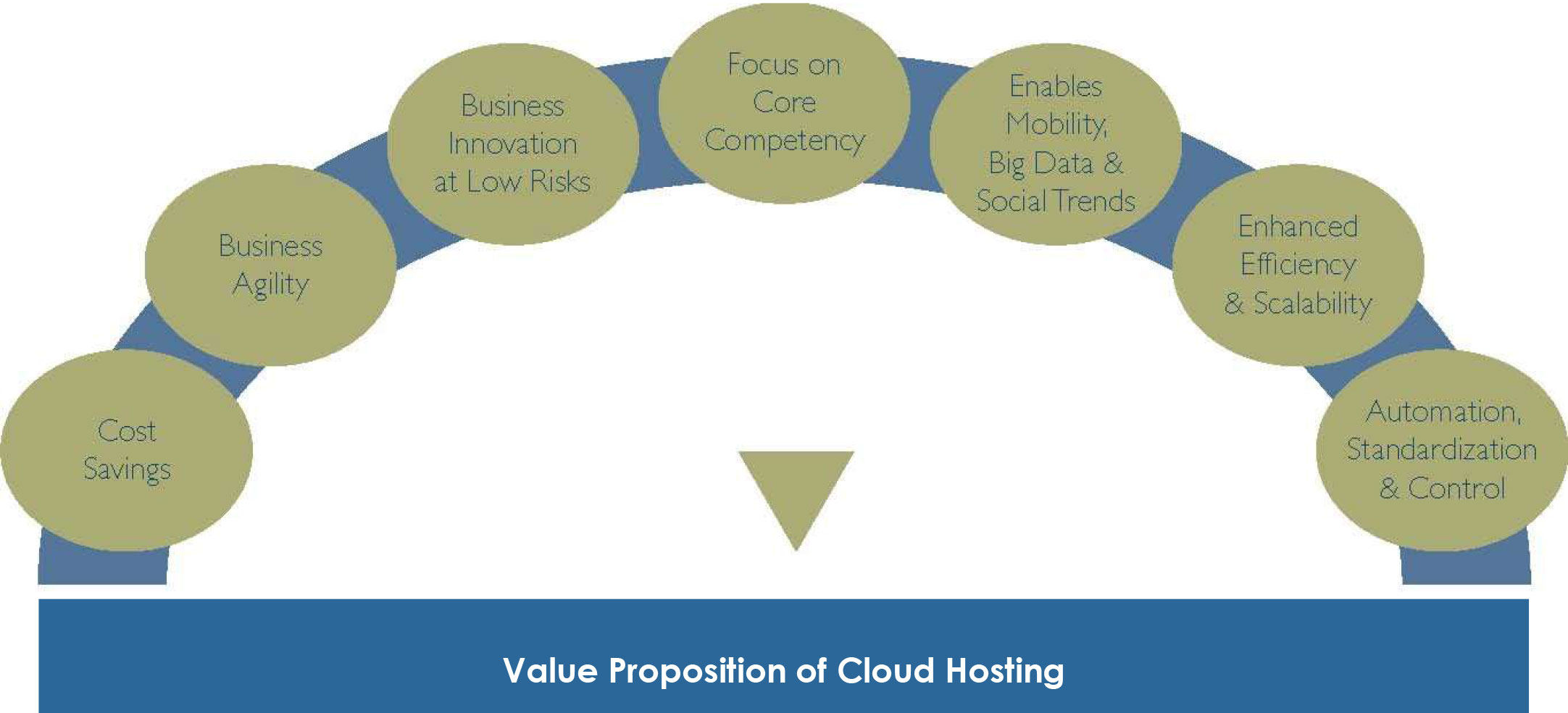
A variety of services are delivered through the cloud, commonly classified under three broad service offerings – Software as a Service (SaaS), Infrastructure as a Service (IaaS) and Platform as a Service (PaaS).These services offer several value propositions to consumers, summarized in the figure below.
ADOPTION OF CLOUD COMPUTING
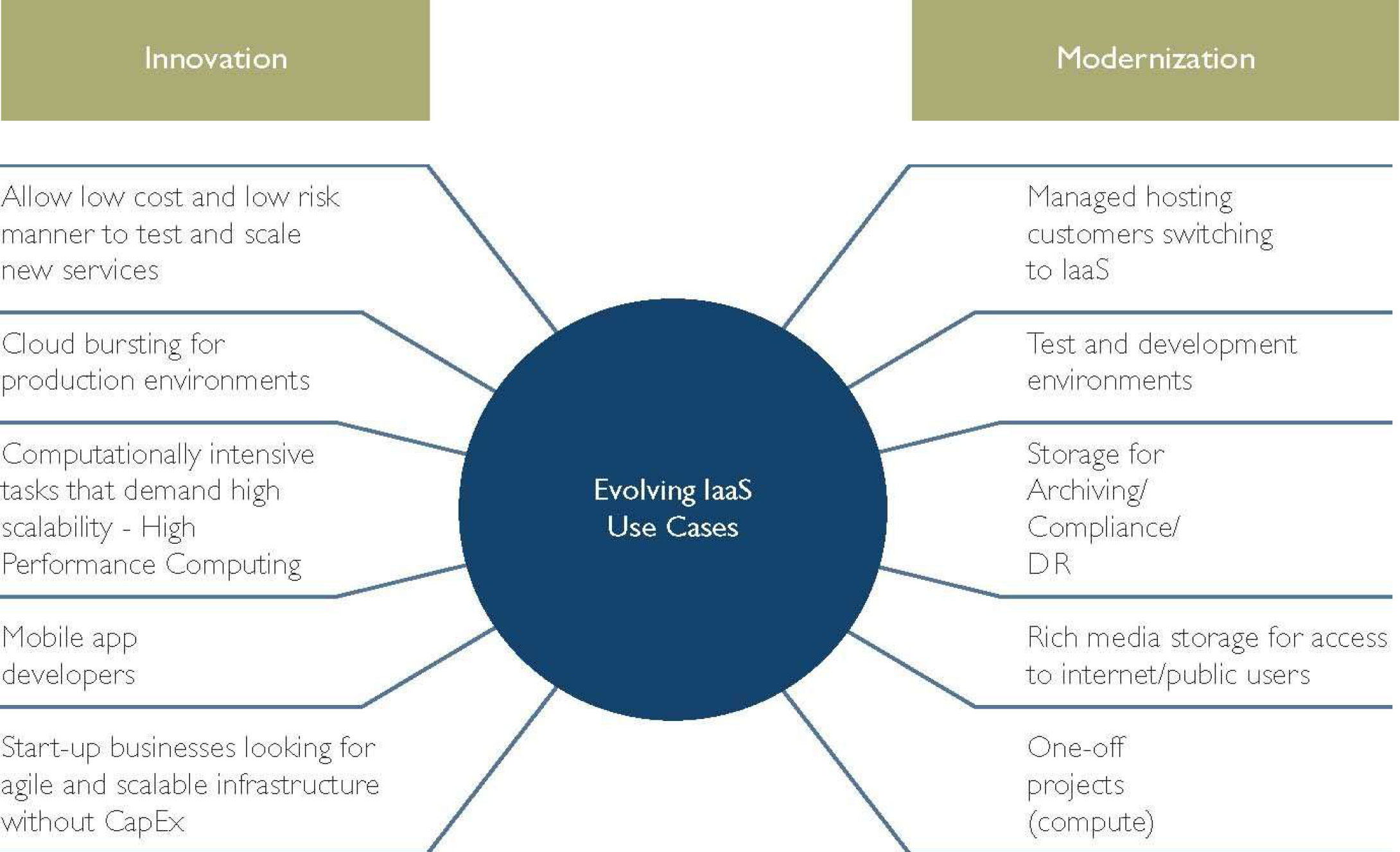
The global cloud computing market is expected to reach approximately US$186 billion in 2019 from an estimated US$36 billion in 2013, growing at a compound annual growth rate of 33.4%.While SaaS continues to be the most popular cloud service offerings with users, IaaS is witnessing growing adoption and is expected to grow at 40% per annum for the 2019-2021 period. The adoption of IaaS is currently being driven by specific usage scenarios as highlighted in the following chart.
According to a recent Frost & Sullivan and Fujitsu enterprise survey with 310 technology decision makers in major technology markets of Australia, France, Germany, Singapore, the UK and the US, prospective users of cloud computing solutions across the globe have a broad level of understanding for what a cloud is.
For example, US enterprises are especially confident about their knowledge related to the cloud solution, with 74.0% of them emphasizing their understanding of the three different types of cloud deployment methods. This finding is mostly because enterprises in the United States were early adopters of the cloud and have had more exposure to this technology than the rest of the world. However, a large percentage of enterprises are not clear about the difference between a private, public, and hybrid model.
Singapore’s, Africa, and France’s markets exhibit the least understanding, with 69.2% and 76.4%, respectively, expressing uncertainty. The availability of numerous cloud offerings in the market, ambiguity regarding choice of cloud models, and the process involved in cloud transition complicate the decision-making process regarding cloud implementation for a large number of enterprises. Of the enterprises that responded, 58.7% revealed that they found cloud-based decisions to be particularly complex.
Boss Global Technology Solutions aims to offer flexible and agile cloud offerings to the South African market. With experience in Cloud market leaders such as Micrrosoft Azure , Amazon Web services, and Google cloud, we have built our service offering to closely match the unprecedented High availability , Seamless deployment, Managed services, and total ownership of infrastructure as a service once present in our datacentres.
To further drive Private cloud and infrastructure as a service, Boss Global Technology Solutions employs highly certified solutions architects, specializing in on premises infrastructure and services, to cloud hosted infrastructure as a service migrations.
To find out more about VPS and Cloud Hosting Services, download
Our Value Proposition

